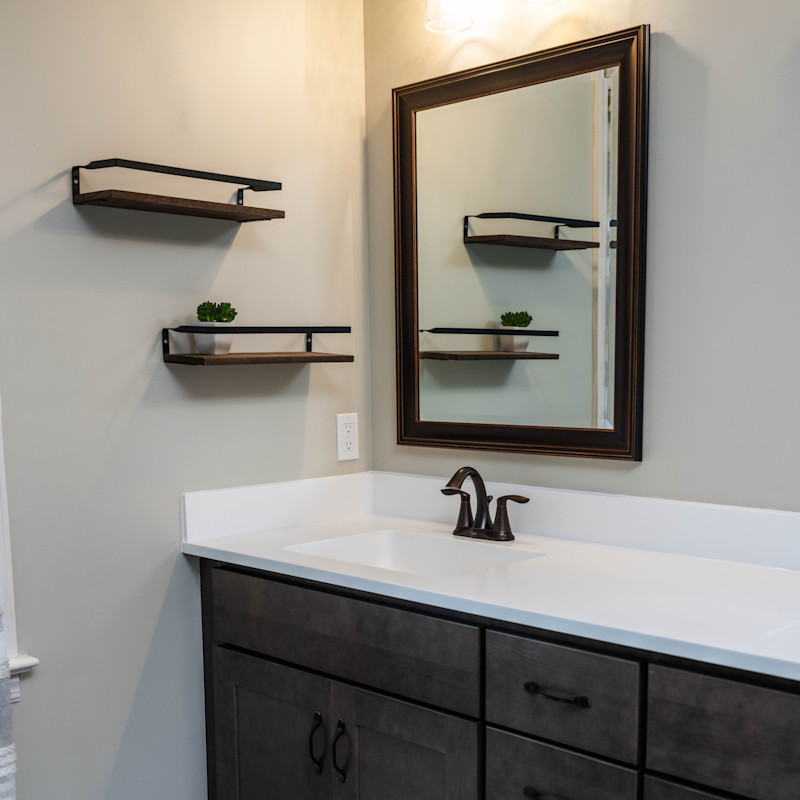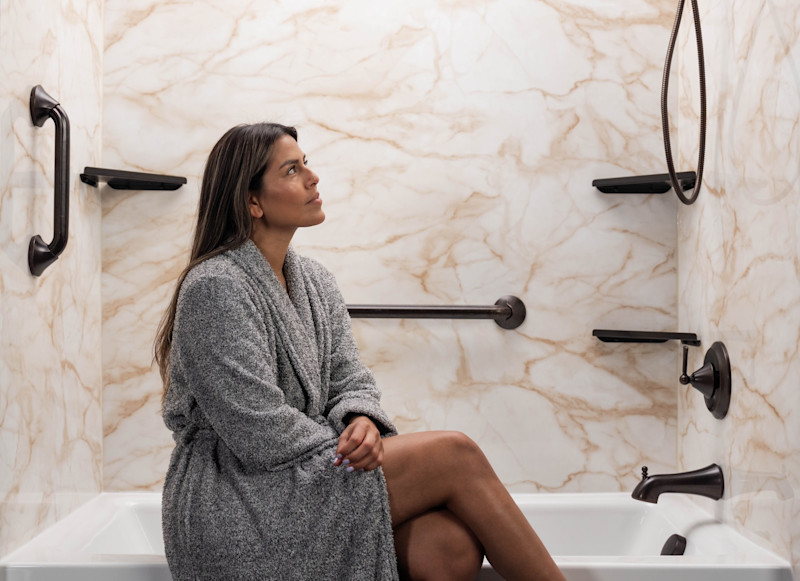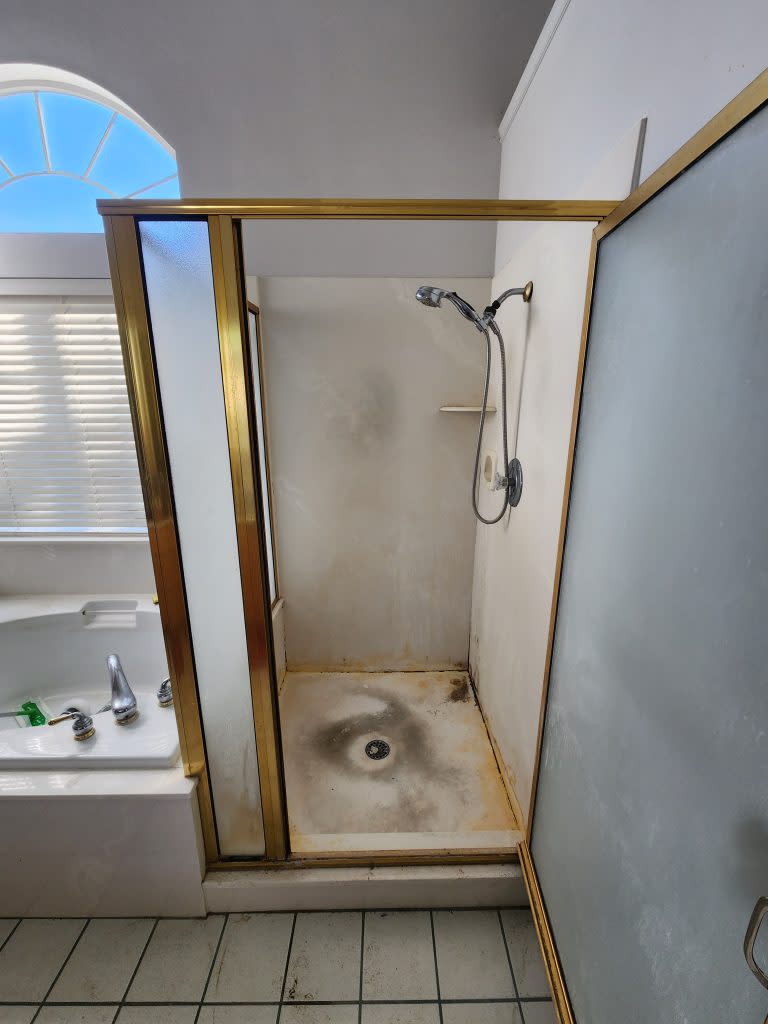

A bathroom remodel can be one of the most rewarding projects you take on. Done well, it improves the comfort of a room you use every day and adds real value to your home. But a full remodel is also a big undertaking, and the most common mistake we see is starting in the wrong place. The trick is to sequence the work so your budget goes to the areas that matter most, first.
Start with the highest-impact areas
Before you choose a single tile or paint color, get clear on the problem you're solving. Is your bathroom simply dated, or is it genuinely dysfunctional? That answer should drive where your budget and time go first.
Showers are usually the focal point of the bathroom, so remodeling them is the best way to boost the overall comfort and visual appeal of the space — and they're uniquely susceptible to mold, mildew, and wear. A shower remodel is the best way to overhaul your space without blowing your budget.
— Brian Keeler, Corporate Director of Sales, West Shore Home
If you're weighing materials for that shower, it's worth understanding your options up front — our guide to the best shower base materials is a good place to start, and grout-free wall systems like our luxury line of showers sidestep the mold and mildew problem entirely.
The right order to tackle a bathroom remodel
Once you've decided on scope, work through the room in order of impact and exposure to moisture. This sequence keeps you from redoing finished work and protects the areas most vulnerable to water damage:
- Bath or shower — the focal point and the wettest zone, so it comes first.
- Flooring — replace failing floors with something moisture-resistant before cabinetry goes in.
- Cabinetry and vanities — see our guide to choosing the perfect vanity.
- Toilet — straightforward to swap once the wet work is done.
- Amenities and comfort accessories — heated towel racks, lighting, and the finishing touches that make it yours.
DIY vs. professional: know your limits
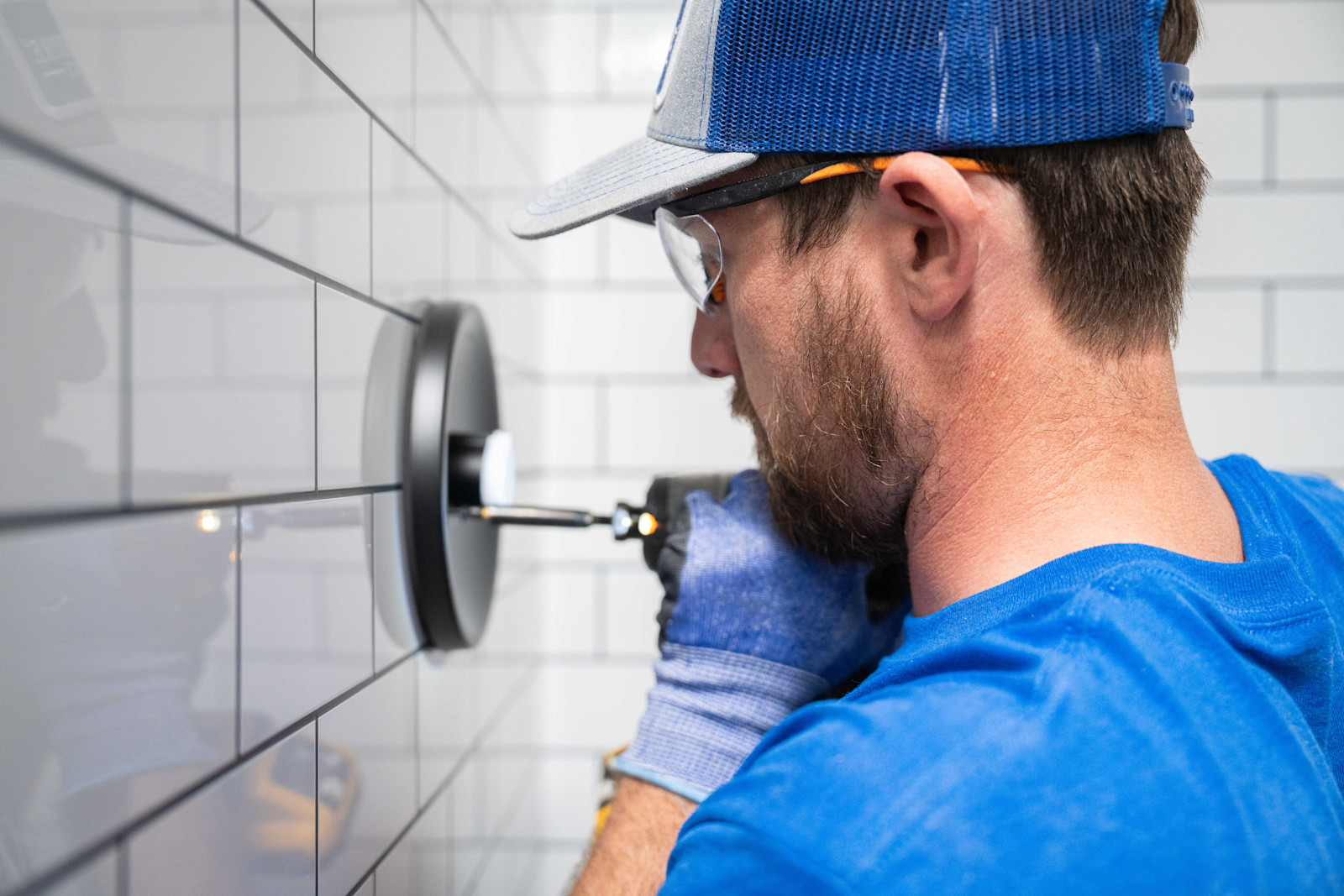
Be honest about your skill level. Bath and shower work often involves plumbing, and tile setting and waterproofing are best left to experienced pros — these are exactly the areas where small mistakes become expensive. Flooring, cabinets, and vanities are more approachable for a handy homeowner, as long as you're careful with materials in moisture-prone spots. If you're on the fence, our breakdown of DIY vs. professional installation walks through where each makes sense.
Finding the finish line
One of the easiest ways to blow a budget is to never define when the project is done. Decide early where the finish line is, prepare a checklist, and work from most impactful to least. As each element goes in, check that it's functional and correctly installed — a misaligned shower panel or a bad plumbing connection can cause real problems down the line.
Once we're done with an installation, the first thing we do is look over everything and make sure there are no potential points of failure. Chipped or cracked materials, bad caulking, faulty plumbing — that's all unacceptable. We make sure there's none of it before we finish a job.
— Brian Keeler, Corporate Director of Sales, West Shore Home
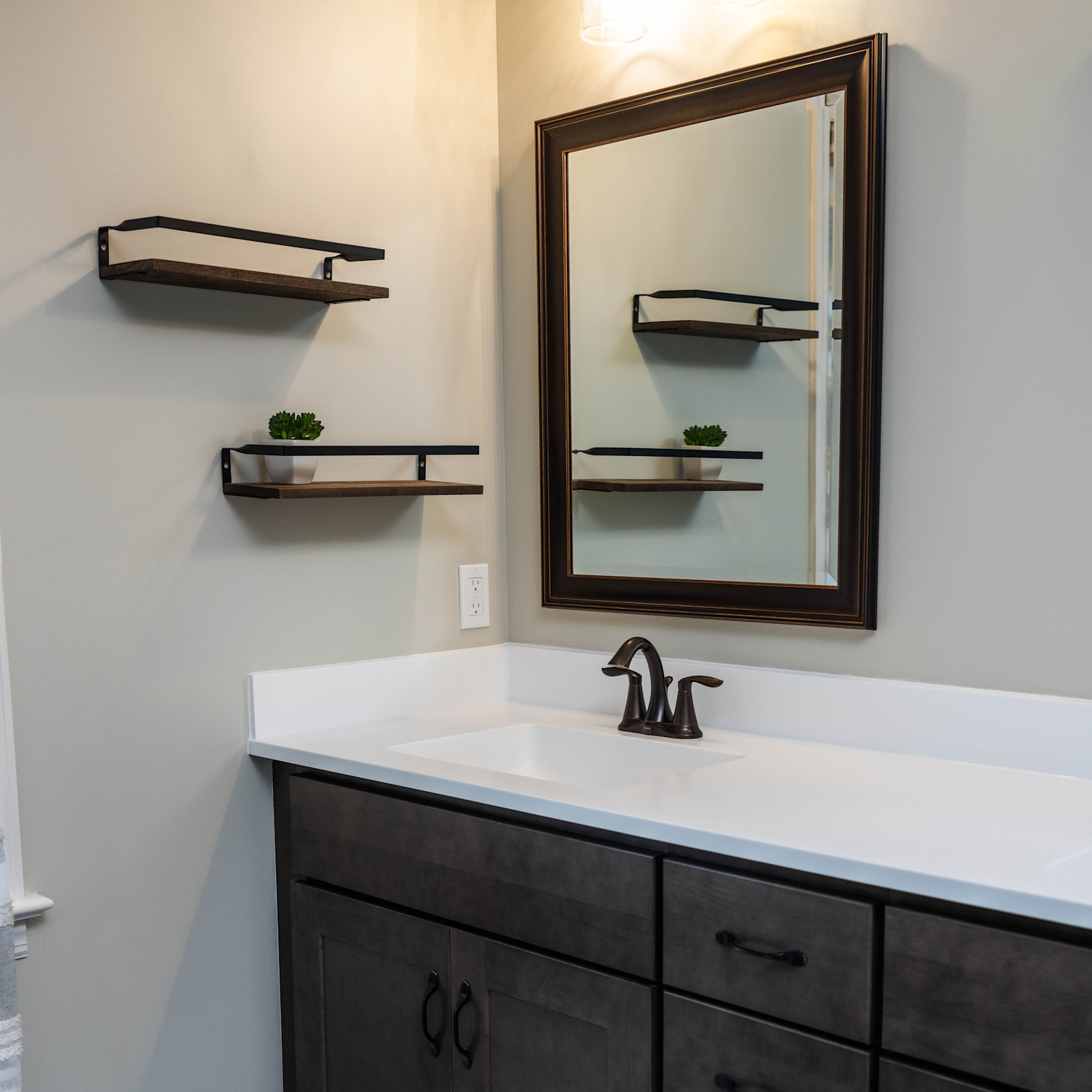
— See It Before You Build It
Picture your new bathroom before the work starts.
Try our free 3D Bath Visualizer to explore layouts and finishes, then book a free in-home consultation to make it real — no obligation.
Frequently asked questions
Where should you start a bathroom remodel?
Start with the bath or shower. It's the focal point of the room and the area most exposed to moisture, so it has the biggest impact on both comfort and durability. From there, move to flooring, then cabinetry and vanities, then the toilet, and finally finishing touches.
What's the most cost-effective part of a bathroom remodel?
Updating the shower or tub usually delivers the biggest improvement in comfort and appearance per dollar spent, which is why most homeowners prioritize it first.
Can I remodel a bathroom myself?
Cosmetic work like painting and some flooring can be DIY-friendly. But anything involving plumbing, waterproofing, or tile is best left to professionals — mistakes in wet areas are expensive to fix later.
How do I keep a bathroom remodel on budget?
Define your scope and finish line before you start, tackle the highest-impact areas first, and resist mid-project feature creep. Knowing where the project ends is the single best protection for your budget.
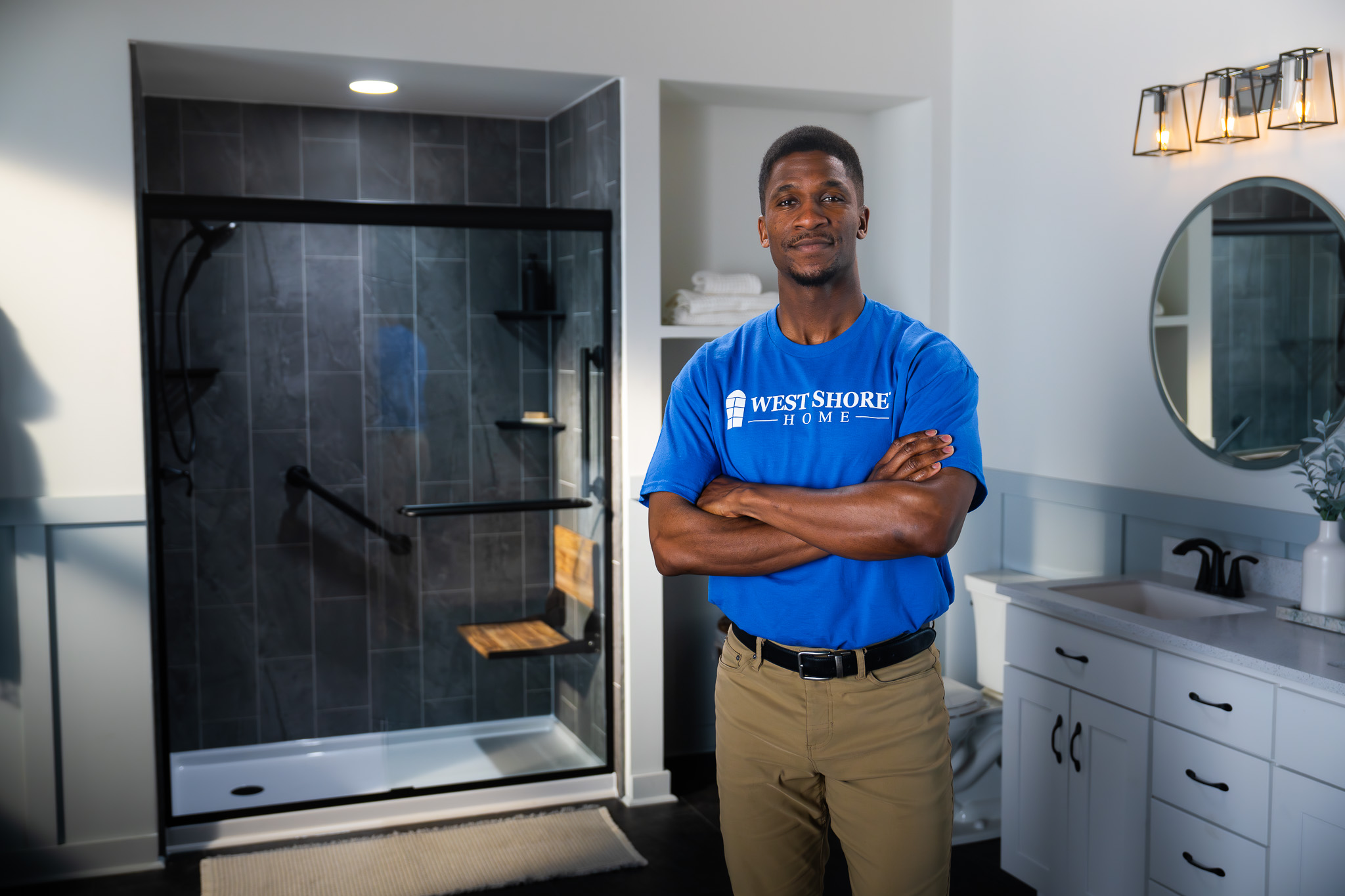
— Our Luxury Line of Showers
Start your remodel with grout-free walls
Since the shower comes first, start it right. Our luxury line of showers features completely waterproof grout-free walls, and the luxury look of tile without the mold, mildew, and upkeep.
Explore our luxury showers
— Ready When You Are
Your dream bathroom starts with one free conversation.
A West Shore Home designer will visit your home, listen to what you want, and build a plan around your space and budget. No pressure, no obligation, ever.